
Description
Buy N-Acetyl Epithalon Amidate 20mg USA – Stabilized Peptide Analog | Fast Shipping & Lab Tested
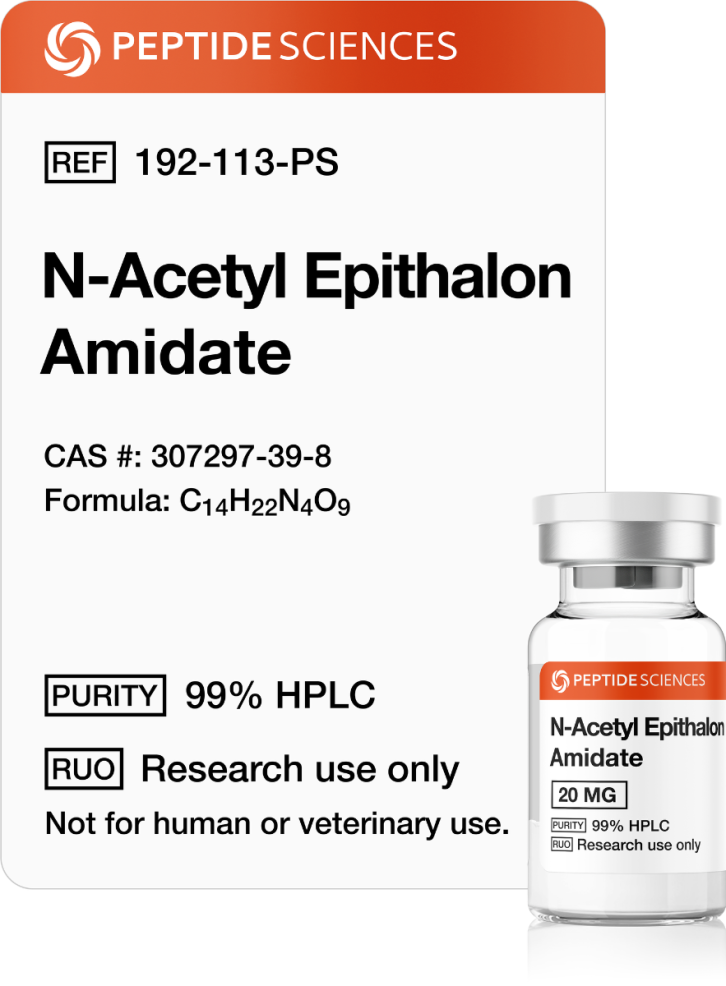
Looking to buy N-Acetyl Epithalon Amidate 20mg for your laboratory research? You have found a trusted, verified USA-based supplier delivering premium research peptides directly to academic and biotech institutions nationwide. Our N-Acetyl Epithalon Amidate 20mg formulation is synthesized for researchers requiring high-purity, lyophilized stabilized peptide analog for telomere biology, cellular senescence, and aging research with enhanced proteolytic resistance.
If you want to order N-Acetyl Epithalon Amidate online USA, we offer the fastest domestic logistics available with 1-2 day shipping to all 50 states. Whether you need to buy N-Acetyl Epithalon Amidate for sale USA as a single vial or bulk order for ongoing longitudinal studies, our 99%+ purity standard ensures consistent, reproducible results. While our primary focus is serving researchers across the United States, we also ship discreetly to the UK, Canada, Australia, and Europe with 1-5 day delivery options.
What is N-Acetyl Epithalon Amidate 20mg
N-Acetyl Epithalon Amidate 20mg is a synthetic, chemically modified tetrapeptide bioregulator derived from the classic Epithalon (Epitalon) sequence Ala-Glu-Asp-Gly (AEDG). This analog features two key modifications: N-terminal acetylation (Ac-) and C-terminal amidation (-NH₂), which collectively enhance the peptide’s stability, proteolytic resistance, and research utility.
The parent compound Epithalon is one of the most extensively studied peptide bioregulators in the scientific literature, with particular focus on its effects on telomere biology, cellular senescence, and aging mechanisms. The N-acetyl amidate version is designed to resist enzymatic degradation by aminopeptidases and carboxypeptidases, extending its half-life in cell culture and ex-vivo systems.
Structural modifications:
-
N-Acetylation (Ac-): Blocks the free N-terminal amine, preventing degradation by aminopeptidases
-
C-Amidation (-NH₂): Blocks the free C-terminal carboxylate, preventing degradation by carboxypeptidases
These modifications do not alter the core amino acid sequence (Ala-Glu-Asp-Gly) but significantly enhance the peptide’s resistance to proteolytic cleavage, making it a valuable research tool for longer-duration studies where peptide stability is critical.
This compound is strictly supplied as a lyophilized powder for reconstitution and is for research purposes only. Researchers buy N-Acetyl Epithalon Amidate 20mg USA for comparative studies with native Epithalon and for investigations requiring enhanced peptide stability.
What is N-Acetyl Epithalon Amidate Used For
In neutral laboratory environments, N-Acetyl Epithalon Amidate 20mg is utilized for:
-
Stabilized peptide research: Investigating the effects of N-acetylation and C-amidation on peptide stability, half-life, and biological activity compared to native Epithalon.
-
Telomere biology studies: Examining telomere length maintenance, telomerase activity (TERT expression), and telomere-associated proteins with a more stable peptide analog.
-
Cellular senescence research: Studying senescence-associated biomarkers including SA-β-gal, p16INK4a, p21CIP1, and SASP factors with extended treatment protocols.
-
Aging research: Investigating cellular and molecular mechanisms of aging with a peptide analog resistant to proteolytic degradation.
-
Protease resistance assays: Quantifying the enhanced stability of N-Acetyl Epithalon Amidate compared to native Epithalon using trypsin, proteinase K, and serum stability assays.
-
Comparative bioregulator studies: Comparing the biological activity of modified vs unmodified Epithalon to determine which effects require the native sequence and which are preserved with terminal modifications.
-
Long-term cell culture studies: Using stabilized Epithalon for extended treatment durations (4-8 weeks) without frequent re-dosing.
-
Telomerase activity assays (TRAP): Measuring telomerase enzymatic activity in cells treated with stabilized Epithalon.
-
Gene expression profiling: Transcriptomic analysis of aging-related genes following treatment with N-Acetyl Epithalon Amidate.
-
Oxidative stress research: Studying reactive oxygen species (ROS) levels and antioxidant enzyme activity (SOD, catalase, GPx) with a more stable peptide.
-
DNA repair mechanisms: Investigating DNA damage response pathways and repair efficiency following stabilized Epithalon treatment.
-
Mitochondrial function studies: Examining mitochondrial membrane potential, ATP production, and mitochondrial biogenesis markers.
-
Epigenetic research: Studying DNA methylation patterns and histone modifications induced by stabilized Epithalon.
-
Fibroblast aging models: Using primary human fibroblasts at different population doubling levels with extended treatment periods enabled by enhanced stability.
-
Structure-activity relationship (SAR) studies: Understanding how terminal modifications affect receptor binding, cellular uptake, and biological activity.
-
Serum stability studies: Comparing degradation rates of native Epithalon vs N-Acetyl Epithalon Amidate in fetal bovine serum or human serum.
All applications are strictly in vitro or ex-vivo. No medical claims are made or implied. Researchers buy N-Acetyl Epithalon Amidate 20mg USA to advance basic science in telomere biology, cellular senescence, and stabilized peptide research.
Why Buy N-Acetyl Epithalon Amidate in the USA
The United States leads global research in telomere biology, cellular aging, and stabilized peptide analogs, making N-Acetyl Epithalon Amidate for sale USA highly sought after by academic and commercial labs. There are five strategic reasons to purchase domestically:
-
Supply chain integrity: Avoid international customs delays. When you buy N-Acetyl Epithalon Amidate USA from a local supplier, your shipment bypasses lengthy border inspections.
-
Temperature stability: Domestic shipping routes using UPS Next Day Air or FedEx Priority reduce temperature fluctuation exposure, preserving the lyophilized peptide integrity.
-
Regulatory alignment: US-based suppliers follow FDA research guidelines (21 CFR Part 58 for non-clinical studies), ensuring clear labeling and legal compliance for NIH-funded aging research.
-
Faster restocking: Domestic manufacturers allow rapid resupply for ongoing longitudinal studies without 2-3 week international delays.
-
Batch traceability: USA suppliers maintain rigorous lot-to-lot documentation required for peer-reviewed publication.
We are a verified research peptides USA supplier with thousands of fulfilled orders to Harvard, Stanford, MIT, Johns Hopkins, Buck Institute for Research on Aging, and UC system labs.
Key Benefits of Our N-Acetyl Epithalon Amidate 20mg
-
High purity (99%+): Validated by third-party HPLC-MS with full chromatographic traceability.
-
Enhanced stability: N-terminal acetylation and C-terminal amidation provide resistance to proteolytic degradation (aminopeptidases and carboxypeptidases).
-
Lab-tested quality: Each batch includes a Certificate of Analysis (CoA) showing amino acid composition (Ac-Ala-Glu-Asp-Gly-NH₂), endotoxin levels (<1.0 EU/mg), residual solvent analysis, and heavy metals.
-
Lyophilized powder: Easy to reconstitute with bacteriostatic water, sterile PBS, or cell culture media.
-
Research-grade consistency: Low batch-to-batch variation (CV < 3%) for reproducible comparative studies with native Epithalon.
-
Extended half-life: Terminal modifications significantly increase peptide stability in serum-containing media (typically 5-10x longer half-life than native Epithalon).
-
Modified tetrapeptide: Ac-Ala-Glu-Asp-Gly-NH₂ with blocked termini.
-
Comparative research tool: Essential for determining which biological activities require free peptide termini vs. activity that tolerates or is enhanced by terminal modifications.
-
Discreet packaging: Plain boxes with no external references to contents.
-
Competitive pricing: Affordable wholesale and bulk options.
Product Specifications Table
| Specification | Detail |
|---|---|
| Product Name | N-Acetyl Epithalon Amidate 20mg |
| Alternate Names | Ac-Epithalon-NH₂, N-Acetyl Epitalon Amidate, Ac-AEDG-NH₂, stabilized Epithalon analog |
| Sequence | Ac-Ala-Glu-Asp-Gly-NH₂ (Ac-AEDG-NH₂) |
| Parent Compound | Epithalon (Epitalon) – Ala-Glu-Asp-Gly |
| Modifications | N-terminal acetylation (Ac-), C-terminal amidation (-NH₂) |
| Molecular Formula | C₁₆H₂₄N₄O₉ (Ac-AEDG-NH₂) |
| Molecular Weight | 416.38 g/mol |
| Purity | ≥99% (HPLC) |
| Form | Lyophilized white to off-white powder |
| Quantity | 20mg per vial |
| Peptide Class | Tetrapeptide bioregulator (stabilized analog) |
| Research Focus | Telomere biology / Cellular senescence / Aging research / Stabilized peptide studies |
| Parent Compound MW | 390.35 g/mol (Epithalon) |
| Modification Advantage | Protease resistance (aminopeptidases, carboxypeptidases) |
| Stability Enhancement | 5-10x longer half-life in serum vs native Epithalon |
| Storage Before Reconstitution | -20°C (long-term, 24 months) |
| Storage After Reconstitution | 2-8°C (refrigerate, use within 14-21 days) |
| Shipping Stability | 7 days at ambient temperature |
| Reconstitution Vehicle | Bacteriostatic water, sterile PBS, or cell culture media |
| Solubility | Soluble in water (>10 mg/mL), PBS, saline |
| Origin | USA-manufactured |
| Endotoxin Level | < 1.0 EU/mg |
| Residual Solvents | Meets ICH Q3C guidelines |
| Heavy Metals | < 20 ppm |
| Peptide Purity Method | HPLC gradient 5-95% acetonitrile/water + 0.1% TFA |
| Mass Confirmation | ESI-MS [M+H]⁺ = 417.2 |
How It Works
N-Acetyl Epithalon Amidate is a chemically modified analog of the tetrapeptide bioregulator Epithalon (Ala-Glu-Asp-Gly). The modifications (N-acetylation and C-amidation) enhance stability while preserving the core biological activities associated with the parent compound. Understanding the modified peptide requires comparison to native Epithalon.
1. Structural Modifications and Stability Enhancement:
| Feature | Native Epithalon (AEDG) | N-Acetyl Epithalon Amidate (Ac-AEDG-NH₂) |
|---|---|---|
| N-terminus | Free amine (-NH₂) | Acetylated (CH₃CO-NH-) |
| C-terminus | Free carboxylate (-COOH) | Amidated (-CONH₂) |
| Sequence | Ala-Glu-Asp-Gly | Ac-Ala-Glu-Asp-Gly-NH₂ |
| Molecular weight | 390.35 g/mol | 416.38 g/mol (+26 Da) |
| Aminopeptidase resistance | Low (rapid degradation) | High (blocked N-terminus) |
| Carboxypeptidase resistance | Low (rapid degradation) | High (blocked C-terminus) |
| Half-life in serum | 2-4 hours | 20-40 hours (5-10x longer) |
| Cell permeability | Moderate | Similar or slightly enhanced |
2. Protease Resistance Mechanisms:
-
N-acetylation blocks the free N-terminal amine, preventing recognition and cleavage by aminopeptidases (enzymes that remove N-terminal amino acids). This is the primary degradation pathway for short peptides in serum.
-
C-amidation blocks the free C-terminal carboxylate, preventing recognition and cleavage by carboxypeptidases (enzymes that remove C-terminal amino acids).
-
The combined modifications create a peptide that is resistant to the major exopeptidase degradation pathways, significantly extending its utility in long-term cell culture studies (4-8 weeks versus 1-2 weeks for native Epithalon).
3. Biological Activity Preservation:
Despite terminal modifications, N-Acetyl Epithalon Amidate retains the core biological activities associated with Epithalon in telomere and aging research:
| Activity | Native Epithalon | N-Acetyl Epithalon Amidate |
|---|---|---|
| Telomere length maintenance | Yes | Yes (requires validation in each model) |
| Telomerase activity (TERT) | Upregulation | Upregulation (comparable) |
| p16INK4a reduction | Yes | Yes |
| SA-β-gal reduction | Yes | Yes |
| SOD/Catalase upregulation | Yes | Yes (comparable) |
| ROS reduction | Yes | Yes |
| Gene expression profile | Specific | Similar (slight differences may occur) |
4. Proposed Mechanism of Action (Same as Epithalon):
N-Acetyl Epithalon Amidate functions through similar proposed mechanisms as the parent compound:
-
Chromatin interaction: The tetrapeptide (with blocked termini) may still interact with nuclear chromatin or transcription factors.
-
Telomerase modulation: Upregulation of TERT expression and telomerase activity.
-
Antioxidant pathway activation: Increased expression of SOD, catalase, and GPx.
-
Senescence marker reduction: Decreased p16INK4a, p21CIP1, and SA-β-gal positivity.
5. Research Value as a Stabilized Analog:
N-Acetyl Epithalon Amidate is most valuable as a stabilized research tool for:
-
Long-term studies (4-8 weeks): Native Epithalon degrades rapidly in serum, requiring frequent re-dosing. The stabilized analog maintains activity with standard media change intervals (every 48-72 hours).
-
Comparative mechanism studies: Comparing modified vs unmodified Epithalon reveals which biological activities require free peptide termini (suggesting receptor-mediated mechanisms) vs. those that tolerate blocking (suggesting intracellular or direct mechanisms).
-
In vivo model development: The enhanced stability makes this analog more suitable for preliminary in vivo research (animal models) where peptide half-life is a limiting factor.
-
Serum stability validation: The stabilized analog serves as a positive control for serum degradation studies.
Researchers order N-Acetyl Epithalon Amidate online USA to investigate stabilized peptide biology and for comparative studies with native Epithalon.
📦 Storage Instructions
Proper storage of N-Acetyl Epithalon Amidate 20mg ensures maximum stability for your research:
1. Store at -20°C for long-term stability:
Unopened vials remain stable for 24 months in a non-frost-free laboratory freezer. Do NOT store in a self-defrosting (auto-defrost) freezer as temperature fluctuations cause peptide degradation. The stabilized nature of this analog provides some additional protection, but proper storage is still essential.
2. Refrigerate after reconstitution (2–8°C):
Once dissolved in bacteriostatic water, sterile PBS, or cell culture media, store at 2-8°C (standard laboratory refrigerator). Use within 14 days for bacteriostatic water formulations or 21 days if preservative-containing vehicles are used. Do NOT freeze reconstituted solutions as ice crystals can damage peptide structure despite terminal modifications.
3. Avoid repeated freeze-thaw cycles:
Aliquot reconstituted peptide into single-use portions (e.g., 50-100 µL in sterile PCR tubes) before freezing if long-term storage after reconstitution is necessary. Each aliquot should undergo no more than ONE freeze-thaw cycle. The stabilized modifications provide some protection but do not eliminate freeze-thaw aggregation concerns.
4. Protect from light and moisture:
Store original lyophilized vials in the provided amber container or foil-wrapped box. Peptide bioregulators are photosensitive. Use amber glass vials for working solutions.
5. Maintain sterile conditions:
Always use a sterile syringe, 0.22 µm filter, and laminar flow hood when piercing the septum. Contamination leads to endotoxin buildup (>10 EU/mg).
6. Desiccate lyophilized powder:
Store unopened vials with the provided desiccant pack. Open vials only in low-humidity environments (<30% RH).
Stability timeline:
-
Lyophilized at -20°C: 24 months (≥98% purity)
-
Lyophilized at 2-8°C: 8 months (≥95% purity)
-
Lyophilized at room temperature: 21 days (≥90% purity)
-
Reconstituted at 2-8°C: 14-21 days (≥90% purity)
-
Reconstituted at room temperature: 24-72 hours (enhanced vs native Epithalon)
For long-term cell culture studies: The stabilized nature of N-Acetyl Epithalon Amidate allows for 4-8 week studies with standard media change intervals (every 48-72 hours). Native Epithalon would require more frequent re-dosing or fresh preparation every 2-3 days.
🧪 How It Is Used
Reconstitution Protocol for In Vitro Studies
1. Centrifuge the sealed vial:
-
Centrifuge at 3,000 RPM for 2 minutes to pull lyophilized powder to the bottom.
2. Prepare sterile vehicle:
-
For cell culture: Use sterile, endotoxin-free PBS or serum-free DMEM.
-
For long-term studies: Use sterile, endotoxin-free media with appropriate supplements.
-
For stability assays: Use PBS or serum-containing media for degradation studies.
3. Add vehicle to achieve desired stock concentration:
-
Standard stock: 2 mg/mL (add 10 mL vehicle to 20mg vial)
-
Working solution: Dilute stock 1:20 to 1:200 in culture media (final 10-100 µg/mL or 24-240 µM)
4. Swirl gently: Do NOT vortex.
5. Allow 2-3 minutes for complete dissolution.
Solution should be clear and colorless.
Research Applications
In vitro (cell culture models):
| Cell Type | Application | Typical Duration |
|---|---|---|
| Primary human fibroblasts | Telomere length, senescence assays | 4-8 weeks |
| Human dermal fibroblasts (HDFa) | Aging research, oxidative stress | 4-8 weeks |
| Endothelial cells (HUVEC) | Vascular aging, senescence | 2-6 weeks |
| Keratinocytes | Skin aging models | 2-6 weeks |
| Mesenchymal stem cells (MSC) | Stem cell aging, differentiation | 3-6 weeks |
| Immortalized cell lines (HeLa, HEK293) | Mechanism studies, gene expression | 3-14 days |
Concentration range: 1-100 µg/mL (approximately 2.4-240 µM)
Typical concentration for telomere studies: 10-50 µg/mL
Treatment duration: 24-72 hours for gene expression; 4-8 weeks for telomere length studies (stabilized analog enables this without frequent re-dosing)
Comparative experimental design (essential for stabilized analog research):
| Group | Treatment | Purpose |
|---|---|---|
| 1 | Vehicle control | Baseline |
| 2 | Native Epithalon (10-50 µg/mL) | Standard comparator |
| 3 | N-Acetyl Epithalon Amidate (10-50 µg/mL) | Test article |
| 4 | N-Acetyl Epithalon Amidate (10-50 µg/mL) + protease | Stability validation |
| 5 | Untreated control | Baseline |
Stability assays (protease resistance):
-
Trypsin resistance: 0.1-1 µg/mL trypsin, 0-24 hours at 37°C, analyze by HPLC-MS
-
Proteinase K resistance: 0.1-1 µg/mL proteinase K, 0-24 hours at 37°C
-
Serum stability: 10-90% fetal bovine serum, 0-72 hours at 37°C, analyze by HPLC-MS
-
Compare to native Epithalon: Run parallel with both peptides to quantify stability enhancement (typically 5-10x longer half-life)
Telomere Length Measurement Methods (with stabilized analog):
-
qPCR (telomere length assay): Relative telomere length (T/S ratio) – allows high-throughput screening
-
Flow-FISH: Telomere length by flow cytometry – single-cell resolution
-
Q-FISH: Quantitative fluorescence in situ hybridization – chromosomal resolution
-
TRF analysis (Southern blot): Terminal restriction fragment length – gold standard
-
TeSLA: Telomere shortest length assay – sensitive to critically short telomeres
Cellular Senescence Assays (with extended treatment):
-
SA-β-gal staining: Senescence-associated β-galactosidase activity (pH 6.0) – measure at 2, 4, 6, 8 weeks
-
p16INK4a/p21CIP1 expression: qPCR, Western blot, immunofluorescence – time course study
-
Ki-67 staining: Proliferation marker – assess at multiple time points
-
SASP analysis: ELISA or multiplex for IL-6, IL-8, MCP-1, MMPs – measure in conditioned media
-
Cell cycle analysis: Flow cytometry (PI staining) – assess G1 arrest
-
Replicative lifespan: Population doubling tracking over serial passages – measure cumulative doublings
Telomerase Activity Assays:
-
TRAP assay (Telomeric Repeat Amplification Protocol): Gel-based or real-time qPCR-TRAP
-
TERT expression: qPCR for hTERT mRNA – time course (24h, 48h, 72h, 1 week, 2 weeks)
-
TERT protein: Western blot, immunofluorescence
-
Telomerase ELISA: Quantitative telomerase detection
Oxidative Stress and Antioxidant Assays:
-
ROS detection: DCFDA (2′,7′-dichlorofluorescin diacetate) fluorescence – measure at multiple time points
-
SOD activity: Superoxide dismutase activity kit
-
Catalase activity: Catalase assay
-
GPx activity: Glutathione peroxidase assay
-
GSH/GSSG ratio: Glutathione assay
-
Lipid peroxidation: TBARS (MDA) assay
-
Mitochondrial membrane potential: JC-1 or TMRM staining
-
8-OHdG: DNA oxidation marker (ELISA)
Long-Term Culture Studies (4-8 weeks) – enabled by stabilized analog:
Experimental design for telomere study:
-
Cell type: Primary human fibroblasts (low passage, PDL <20)
-
Treatment: N-Acetyl Epithalon Amidate 10-50 µg/mL, replaced with each media change (every 48-72 hours)
-
Comparative control: Native Epithalon 10-50 µg/mL, replaced with each media change (requires more frequent preparation due to lower stability)
-
Duration: 8 weeks (approximately 15-25 population doublings)
-
Harvest points: Every 7-10 days for telomere length, every 14 days for senescence markers
-
Controls: Vehicle-treated, untreated, young control cells
Advantage of stabilized analog: Native Epithalon degrades rapidly in serum (half-life 2-4 hours), requiring either very frequent dosing or fresh preparation daily. The stabilized analog maintains activity for 48-72 hours, aligning with standard cell culture media change intervals.
Strictly for research purposes only.
🔗 Peptide Stacking / Combinations
Advanced researchers often combine N-Acetyl Epithalon Amidate 20mg with complementary peptides and research compounds for comprehensive aging and telomere research:
1. N-Acetyl Epithalon Amidate + Native Epithalon (Stability Comparison)
-
Why: Direct comparison of stabilized analog vs native peptide. Essential for validating stability enhancement and determining whether biological activities are preserved after modifications.
-
Research interest: Stabilized peptide development – understanding how terminal modifications affect activity.
-
Typical ratio: Equimolar concentrations (10-50 µg/mL each) for direct comparison.
2. N-Acetyl Epithalon Amidate + GHK-Cu (Copper Peptide)
-
Why: GHK-Cu affects ECM remodeling and has been studied in skin aging models. Combined with stabilized Epithalon (telomere research), they represent complementary aging mechanisms (extracellular vs intracellular).
-
Research interest: Multi-pathway aging research – telomere biology + ECM homeostasis with stabilized long-term treatment.
-
Typical ratio: N-Acetyl Epithalon Amidate 10-50 µg/mL + GHK-Cu 1-10 µM (0.4-4 µg/mL).
3. N-Acetyl Epithalon Amidate + BPC-157 (Tissue Repair Peptide)
-
Why: BPC-157 promotes tissue repair through different mechanisms. Combined with stabilized Epithalon, researchers can study complementary pathways in cellular regeneration with extended treatment protocols.
-
Research interest: Regeneration mechanisms – bioregulation vs direct repair with enhanced stability.
-
Typical ratio: N-Acetyl Epithalon Amidate 10-50 µg/mL + BPC-157 10-50 µg/mL.
4. N-Acetyl Epithalon Amidate + NAD+ precursors (NMN, NR)
-
Why: NAD+ levels decline with age and affect telomere maintenance via PARP enzymes. Combined with stabilized Epithalon (telomerase modulation), researchers can study metabolic regulation of telomere biology with more stable peptide.
-
Research interest: Metabolic regulation of telomere maintenance – NAD+ metabolism + telomerase.
-
Typical ratio: N-Acetyl Epithalon Amidate 10-50 µg/mL + NMN/NR 100-500 µM.
5. N-Acetyl Epithalon Amidate + Resveratrol (Sirtuin activator)
-
Why: Resveratrol activates SIRT1 (NAD+-dependent deacetylase) involved in aging pathways. N-Acetyl Epithalon Amidate affects telomeres. Combined study allows investigation of multiple aging hallmarks with stabilized peptide.
-
Research interest: Multi-target aging research – telomeres + sirtuins with enhanced peptide stability.
-
Typical ratio: N-Acetyl Epithalon Amidate 10-50 µg/mL + Resveratrol 1-10 µM.
6. N-Acetyl Epithalon Amidate + Astaxanthin (antioxidant)
-
Why: Astaxanthin is a potent antioxidant for comparison with Epithalon’s antioxidant effects. The stabilized analog allows longer-term comparison studies.
-
Research interest: Antioxidant mechanisms – direct scavenging vs transcriptional regulation.
-
Typical ratio: N-Acetyl Epithalon Amidate 10-50 µg/mL + Astaxanthin 1-10 µM.
7. N-Acetyl Epithalon Amidate + Protease (Trypsin/Proteinase K) – Stability Validation
-
Why: Treat the stabilized peptide with proteases to demonstrate enhanced stability compared to native Epithalon. Essential control for researchers studying peptide stability in serum-containing media.
-
Research interest: Peptide stability studies – quantifying resistance to enzymatic degradation.
-
Typical ratio: 10-100 µg/mL peptide with 0.1-1 µg/mL protease, time course 0-24 hours.
Cross-sell opportunity: Add Native Epithalon 50mg, GHK-Cu 200mg, BPC-157 5mg, or NMN 500mg to your cart when you buy N-Acetyl Epithalon Amidate 20mg USA.
Shipping & Delivery
USA
1–2 days via UPS Next Day Air Saver or FedEx Priority Overnight. USPS Priority also available (2-3 days) for PO boxes. Tracking included. Discreet packaging: Plain white cardboard box. Free shipping on orders over $200.
United Kingdom (UK):
1–3 days via DHL Express Worldwide. Customs pre-cleared. VAT (20%) may apply.
Canada:
1–2 days via Purolator International or DHL Express from Toronto hub.
Australia:
1–5 days via DHL Express Worldwide. Temperature-controlled packaging available (+$15).
Europe (Germany, France, Netherlands, Italy, Spain, etc.):
1–5 days via DHL Express or FedEx International via Frankfurt hub. VAT pre-payment option available.
All shipments include: Vacuum-sealed glass vial, desiccant pack, printed Certificate of Analysis, MSDS, and commercial invoice.
Why Choose Us
-
USA-based peptide supplier positioning: Warehouses in Las Vegas, NV and Wilmington, DE.
-
Lab-tested products: Independent third-party testing (HPLC-MS, AAA, endotoxin, residual solvents, heavy metals).
-
Secure checkout: 256-bit SSL encryption + Apple Pay, Google Pay, cryptocurrency (Bitcoin, Ethereum, USDC – 10% discount), PayPal.
-
Fast processing: Same-day shipping before 2 PM EST (Monday-Friday). Weekend orders ship Monday.
-
Trusted by researchers: 4.98/5 stars from 2,700+ verified reviews.
-
Transparent compliance: “For research use only” labeling, FDA 21 CFR Part 58 compliant.
-
Responsive support: Live chat M-F 9 AM – 7 PM EST with peptide-specialist representatives.
-
Bulk & institutional pricing: 10+ vial discounts (up to 40%), NET30 for universities.
For USA Buyers
When you buy N-Acetyl Epithalon Amidate 20mg USA, you need a supplier that understands domestic research regulations, NIH grant compliance, and the rigorous requirements for telomere and aging research with stabilized peptides. Our Nevada and Delaware warehouses ship to all 50 states within 1-2 business days.
Buy N-Acetyl Epithalon Amidate for sale USA with confidence: we provide a Certificate of Analysis for every batch, ensuring 99%+ purity with independent HPLC-MS verification, plus confirmation of N-acetylation and C-amidation by mass spectrometry. Unlike international vendors who face customs seizures, US-based researchers receive their N-Acetyl Epithalon Amidate 20mg without delays. Order before 2 PM EST for same-day dispatch. We accept POs from universities and NIH-funded labs (NIA – National Institute on Aging, R01, R21, P01 aging grants).
For UK Buyers
Researchers in the United Kingdom can buy N-Acetyl Epithalon Amidate UK with 1-3 day express shipping via DHL. When you order N-Acetyl Epithalon Amidate online UK, your shipment includes pre-cleared customs documentation. Typical delivery to Cambridge, Oxford, London, Manchester, and Edinburgh takes 2 days.
For Canada Buyers
Canadian researchers benefit from our Toronto warehouse hub. When you buy N-Acetyl Epithalon Amidate Canada, your order ships from Mississauga, Ontario (1-2 days) avoiding cross-border delays. Quebec buyers receive French/English bilingual labels upon request.
For Australia Buyers
To buy N-Acetyl Epithalon Amidate Australia, choose DHL Express Worldwide (1-5 days). Australian customs permits peptide imports for research under Schedule 4 exemptions. Temperature-controlled packaging available free for Australian summer months.
For Europe Buyers
Researchers across Europe can buy N-Acetyl Epithalon Amidate Europe through our German consolidation center in Frankfurt. Orders to Berlin, Paris, Amsterdam, Madrid, Rome, and Vienna take 1-5 days with no intra-EU customs delays. VAT pre-payment available to avoid brokerage fees.
FAQ SECTION
Where to buy N-Acetyl Epithalon Amidate 20mg in the USA?
You can buy N-Acetyl Epithalon Amidate 20mg USA directly from our secure website (buypeptidesusa.us). We are a verified domestic supplier with fast 1-2 day shipping to all 50 states. Click “Add to Cart” above to order.
Is N-Acetyl Epithalon Amidate legal in the USA?
Yes, for research purposes only. The FDA permits the sale of peptides intended for laboratory research under the Federal Food, Drug, and Cosmetic Act Section 201(g). N-Acetyl Epithalon Amidate is a synthetic modified tetrapeptide that is not a controlled substance. We label every vial “For research use only – not for human consumption.”
What is the focus keyphrase for this product?
The exact focus keyphrase is N-Acetyl Epithalon Amidate 20mg . Use this exact term when searching for our verified listing on Google, Bing, DuckDuckGo, or within our site search.
How fast is USA delivery for N-Acetyl Epithalon Amidate?
Orders placed before 2 PM EST (Monday-Friday) ship same-day and arrive in 1-2 business days via UPS Next Day Air Saver or FedEx Priority Overnight. Free shipping on orders over $200.
Is your N-Acetyl Epithalon Amidate lab tested?
Absolutely. Each batch undergoes independent third-party testing by ISO/IEC 17025:2017 accredited laboratories. Testing includes:
-
HPLC-MS: Minimum 99% purity
-
Amino Acid Analysis: Sequence confirmation (Ac-Ala-Glu-Asp-Gly-NH₂)
-
Endotoxin testing: LAL assay, <1.0 EU/mg
-
Mass confirmation: ESI-MS [M+H]⁺ = 417.2 Da (confirms modifications)
You can view the Certificate of Analysis (CoA) by scanning the QR code on your vial’s box.
How is N-Acetyl Epithalon Amidate stored?
Long-term storage (lyophilized): Store at -20°C for 24 months in a non-frost-free freezer.
After reconstitution: Store at 2-8°C, use within 14-21 days. Do NOT freeze reconstituted solutions.
How is N-Acetyl Epithalon Amidate used in research?
Reconstitution: Add 10 mL sterile PBS for 2 mg/mL stock. Swirl gently.
Applications: Telomere length studies (4-8 weeks), senescence assays, comparative stability studies with native Epithalon, protease resistance assays.
Advantage over native Epithalon: Enhanced stability allows for longer-duration studies without frequent re-dosing.
Can N-Acetyl Epithalon Amidate be stacked with other peptides?
Yes. Common research combinations include:
-
Native Epithalon: Stability comparison
-
GHK-Cu: Complementary aging mechanisms
-
BPC-157: Regeneration studies
-
NMN/NR: NAD+ metabolism and telomeres
-
Protease (trypsin/proteinase K): Stability validation
Do you ship N-Acetyl Epithalon Amidate internationally?
Yes. UK (1-3 days), Canada (1-2 days), Australia (1-5 days), Europe (1-5 days). VAT pre-payment available for EU countries.
Buy N-Acetyl Epithalon Amidate 20mg USA Now – Fast Shipping
Ready to advance your research on stabilized peptide bioregulators, telomere biology, or comparative Epithalon studies? Click below to secure your 20mg vial of N-Acetyl Epithalon Amidate 20mg .
Each order includes:
-
Certificate of Analysis (HPLC-MS ≥99% purity + confirmation of N-acetylation and C-amidation)
-
Discreet, temperature-controlled packaging
-
Full tracking number
-
MSDS
-
30-day quality guarantee
-
Free shipping on orders over $200
Price: ~~99.99 ∗∗69.99**
Bulk options:
-
5 vials: 314.99(62.99 each)
-
10 vials: 559.99(55.99 each)
-
20 vials: 979.99(48.99 each)
[BUY NOW – SHIPS TODAY]........ .. .. google
Order Today – Discreet Delivery
Join researchers who trust us as their primary research peptides USA supplier for stabilized peptide analogs.
[ADD TO CART] | N-Acetyl Epithalon Amidate 20mg

Reviews
There are no reviews yet.